

Respondingin Moments of Crisis
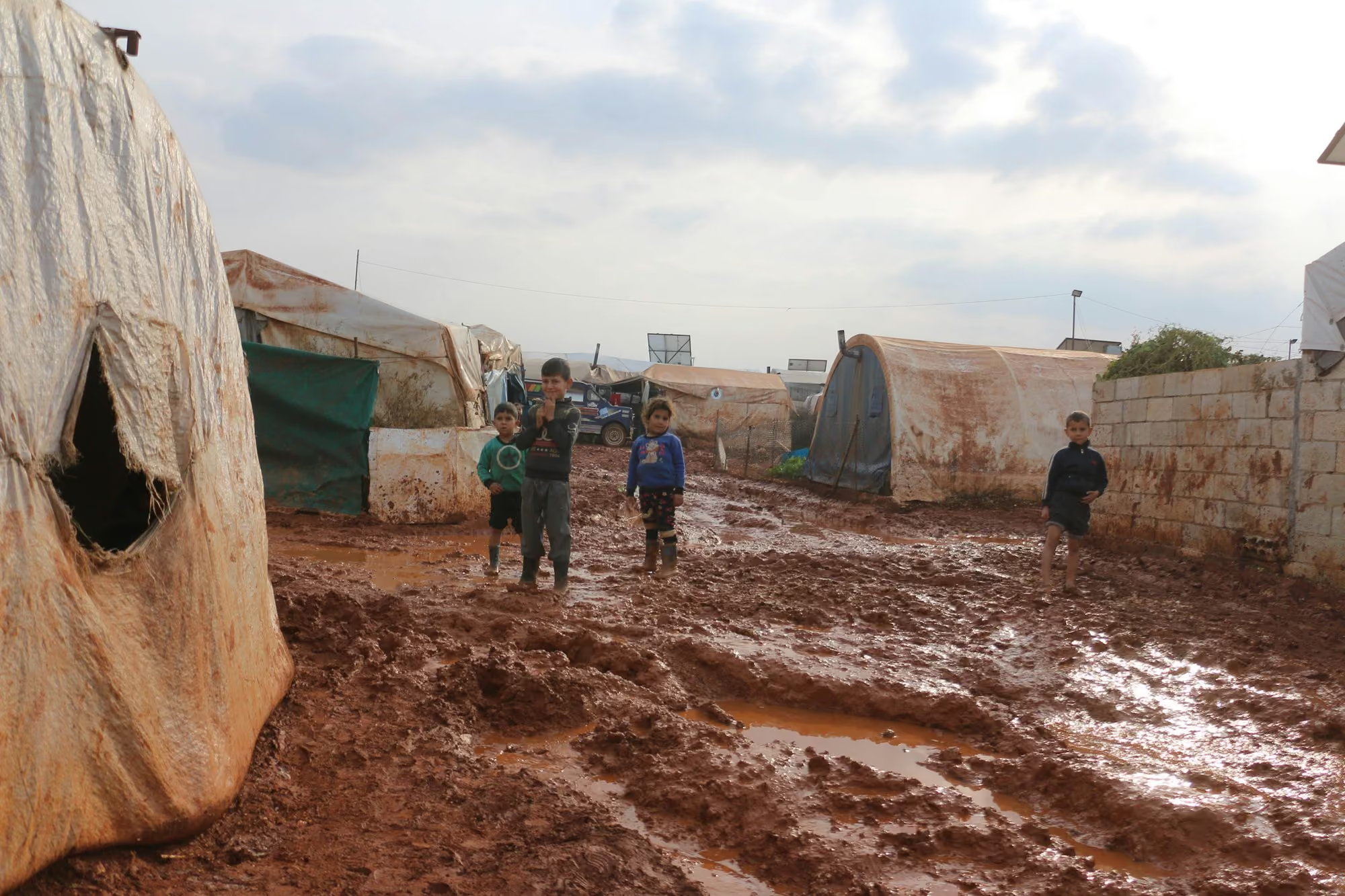
When a crisis hits, the need is immediate.
Families can lose everything overnight. Homes are destroyed. Stability disappears. What once felt certain becomes fragile.
In these moments, waiting is not an option. SLED provides immediate humanitarian relief that meets urgent needs while helping families begin moving toward long term recovery.
THE REALITY
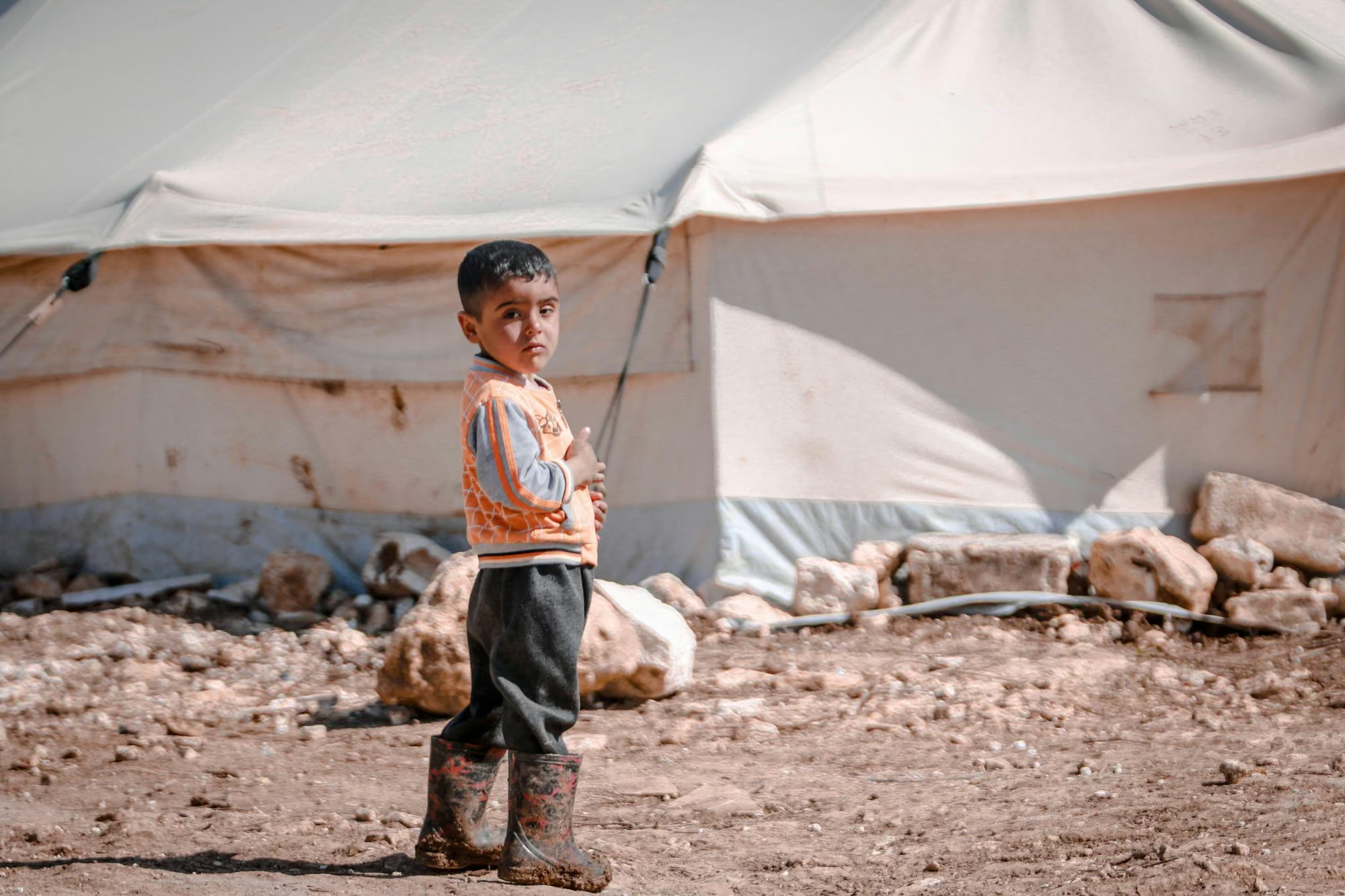
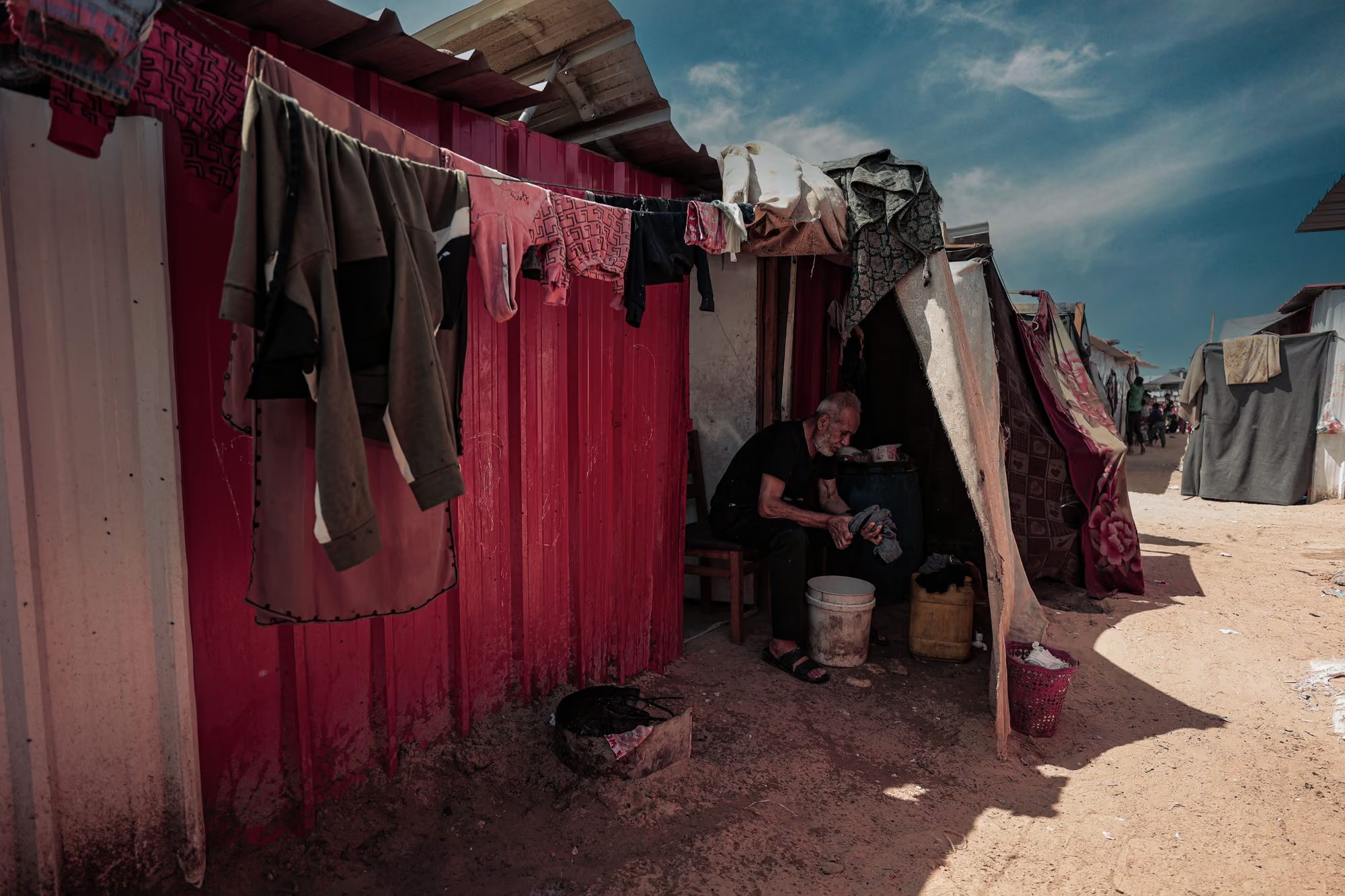
For many families, the crisis does not end when the headlines fade. Displacement can last for months or even years, leaving parents to rebuild their lives while still struggling to meet everyday needs.
Emergency relief is essential, but lasting recovery requires more than a single response. Families need continued support, trusted relationships, and opportunities to regain stability over time.
OUR APPROACH
SLED responds quickly in times of crisis, but we do not stop at emergency aid. We believe relief should be the beginning of restoration, not the end of support.

Immediate Response
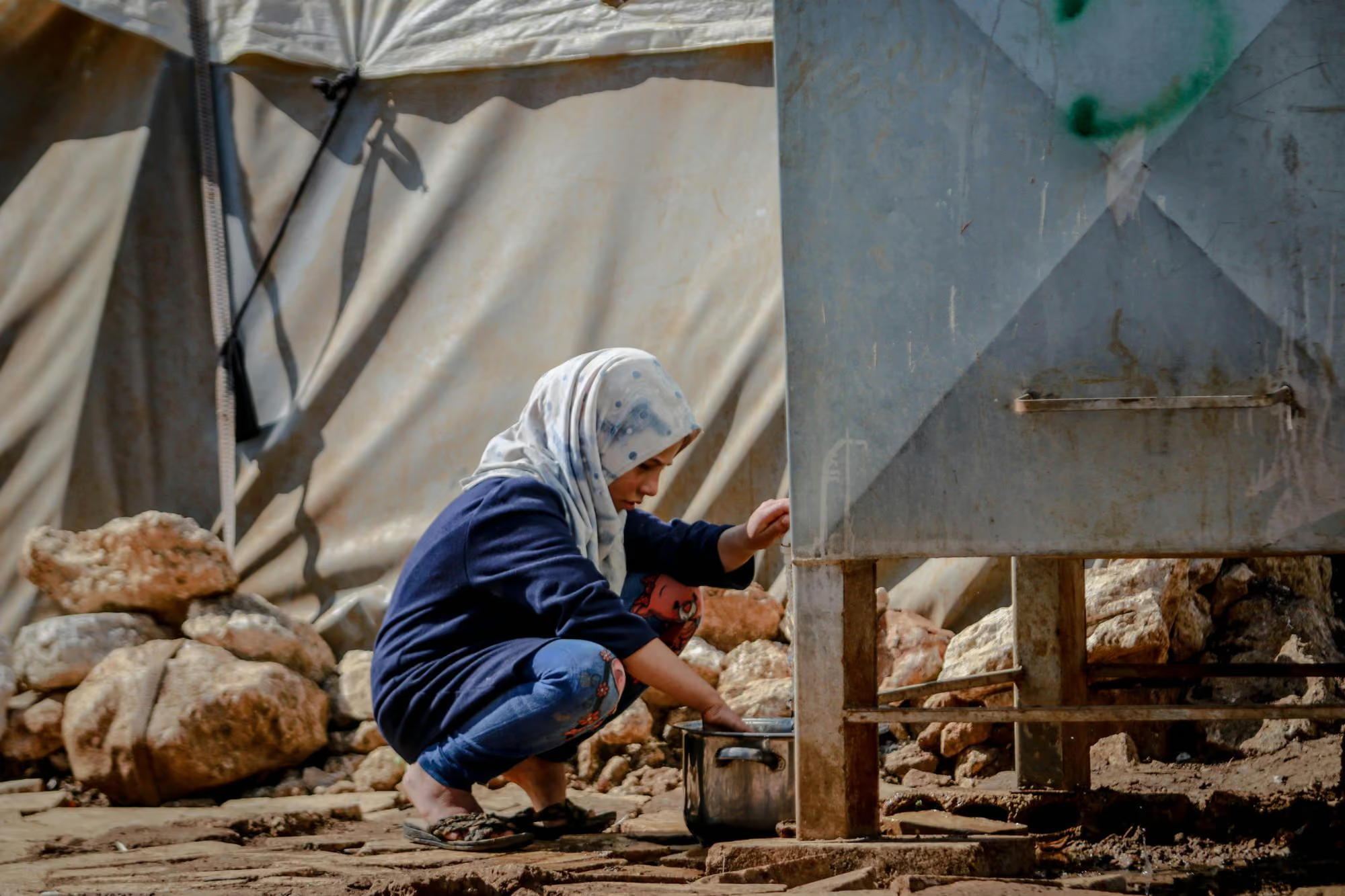
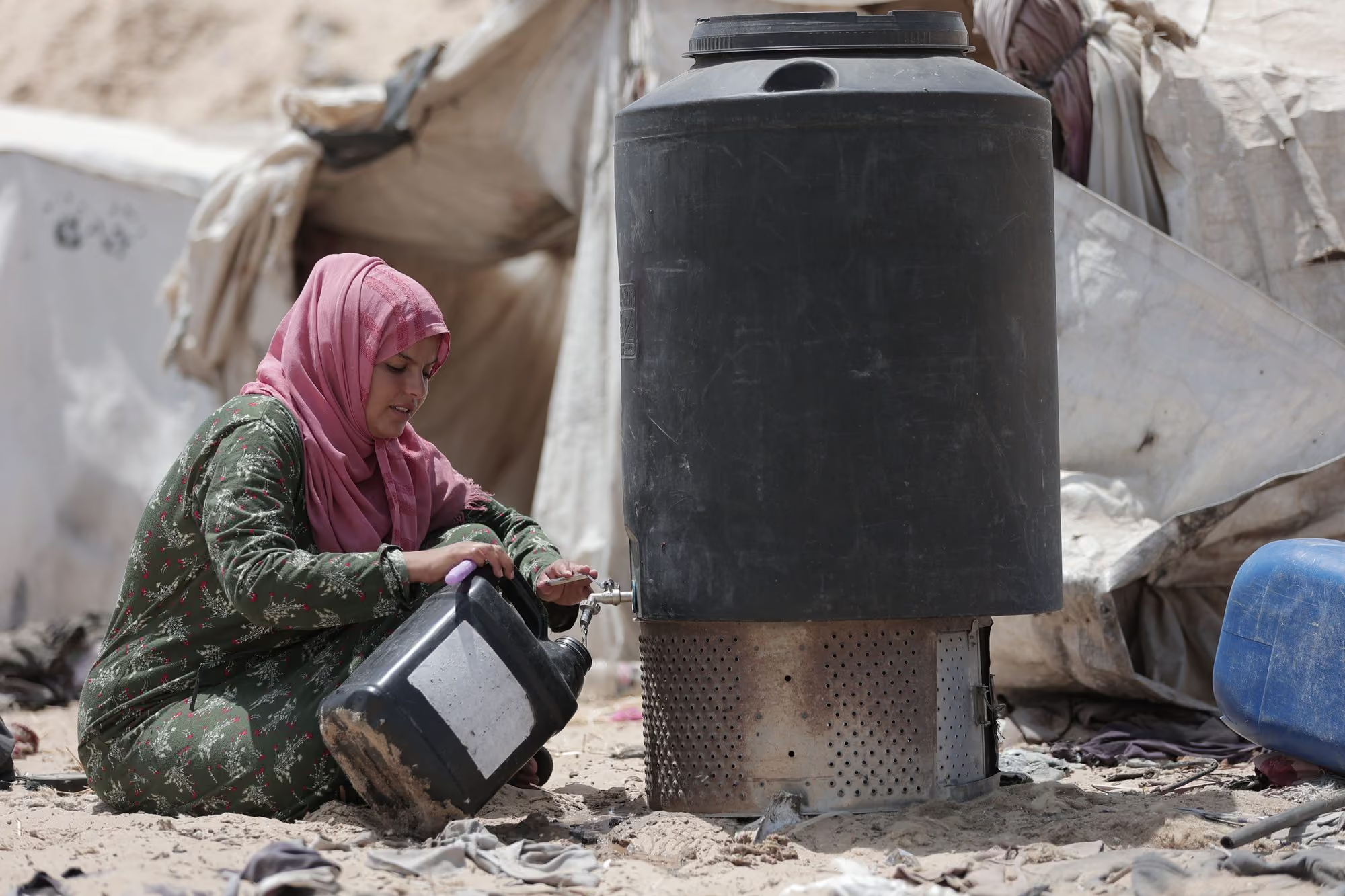
Meeting urgent needs with food, clean water, hygiene supplies, shelter, and emergency assistance.

Local Partnership
Partnering with trusted local leaders who understand their communities and can respond quickly and effectively.

Consistent Presence
Walking alongside families beyond the emergency, providing continued support as communities begin to recover.

Pathways to Stability
Connecting emergency relief with long term recovery, helping families rebuild their lives and strengthen their communities.
Relief
in Action
Across the Middle East and surrounding regions, SLED partners with trusted local leaders to bring hope and practical support in times of crisis.
In 2025, more than 3,000 families received emergency assistance, providing food, hygiene supplies, shelter, and other essential resources when stability was suddenly lost.
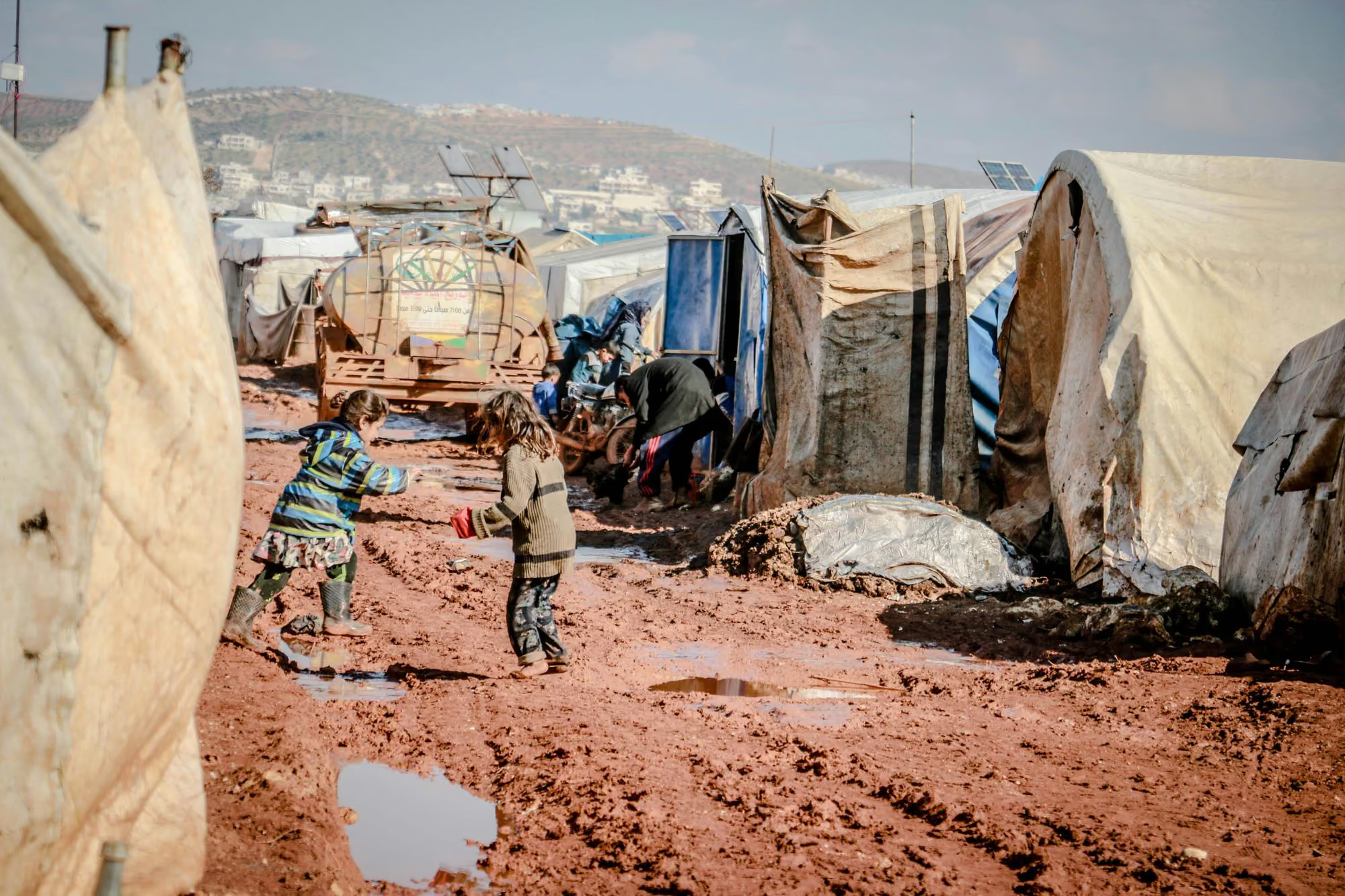
Across Lebanon, Iraq, and Egypt, local teams continue serving displaced families, including Yemeni and Sudanese communities rebuilding their lives far from home.
In Iraq, medical missions have provided care for more than 2,500 individuals, expanding access to healthcare where medical services are often limited or unavailable.
These efforts are more than emergency response. They are the first steps toward lasting recovery.
What This Looks Like
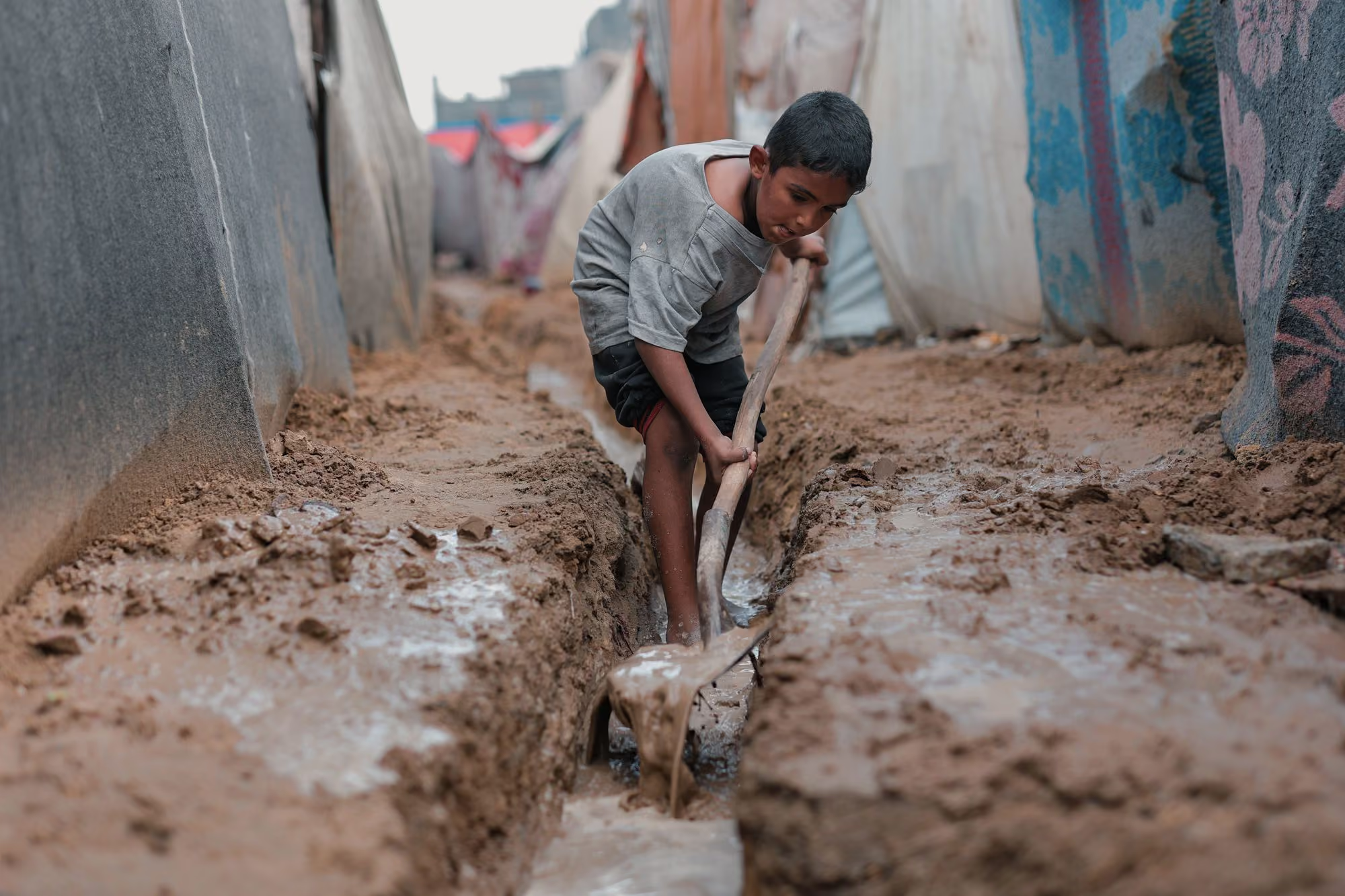
Humanitarian relief meets immediate needs while creating the stability families need to begin rebuilding their lives.
Families receive food, clean water, hygiene supplies, shelter, and other essential resources when they need them most. Medical teams bring care into communities where healthcare is often limited or unavailable.
Because every crisis is different, each response is shaped by the needs of the community and carried out alongside trusted local partners.
Relief becomes the first step toward recovery.
Humanitarian Relief Initiatives
The many ways SLED responds to crisis through trusted local partnerships.
Humanitarian Relief Initiatives
Every crisis is different. Our response is shaped by local needs, trusted partnerships, and a commitment to restoring dignity and stability.

Emergency Aid Distribution
Providing immediate access to food, hygiene supplies, and basic necessities during times of crisis.
Medical Care and Health Support
Expanding access to healthcare through medical missions, medications, hygiene kits, and community-based care.

Support for Displaced Families
Walking alongside displaced families with practical support, essential resources, and ongoing care as they rebuild their lives.

Community-Based Relief
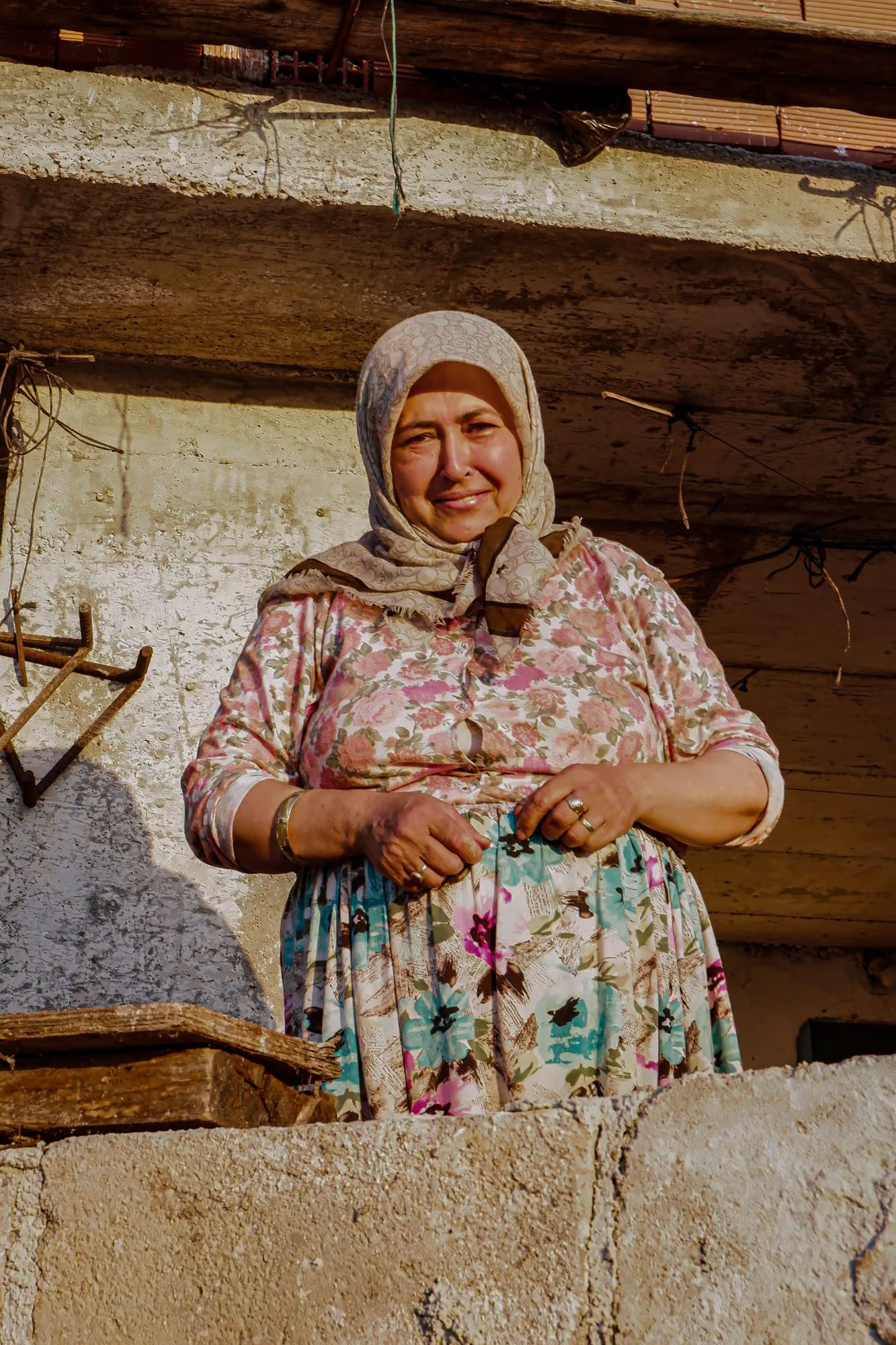
Partnering with trusted local leaders to deliver aid quickly, responsibly, and with dignity.
Ongoing Crisis Response
Remaining present as communities recover, ensuring support continues long after the initial emergency.

Why it matters
When basic needs are met, hope has room to grow.
Emergency relief provides more than food or supplies. It restores dignity, protects vulnerable families, and creates the stability needed for recovery to begin.
Lasting restoration starts with meeting today's most urgent needs.
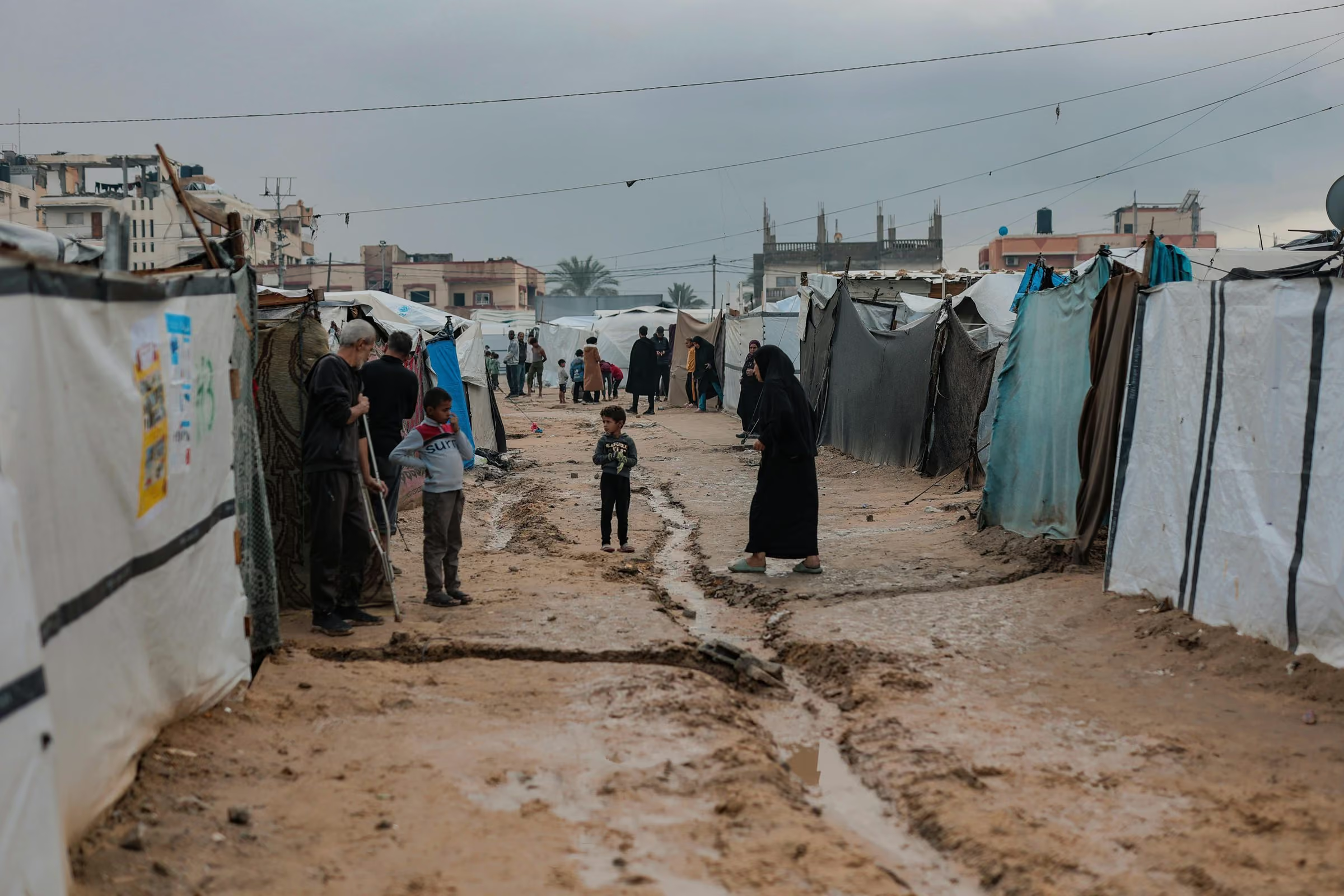
FROM RELIEFTO RECOVERY
Meeting urgent needs is only the beginning. Lasting recovery starts when families have the support to rebuild their lives.